The BoorYul-Bah-Bilya program, or BBB, is the flagship initiative of Bibbul Ngarma Aboriginal Association (BNAA). BBB aims to address the global issue of declining river health by creating a new model of river catchment management to mark the 2029 Perth Bicentenary, based on the Mandoon Bilya (Helena River), but designed to inspire the revival of all rivers.
Most Western Australian rivers are degraded. Less than 1% of our major rivers are in pristine or near-pristine condition, and despite the good work of many, river health continues to decline. Common threats include urbanisation and development pressure, climate change, altered water flows, abstraction, salinity, pollution, vegetation clearing, habitat loss, pests/diseases, weeds, feral species, erosion and sedimentation. Threats are exacerbated by fragmented river management that is shared across different agencies and landowners. Despite good work of many, river health continues to decline.
As part of the 2029 Perth bicentenary, BNAA are using the Mandoon Bilya (Helena River) to create a new model process that is transferable, scalable and applicable to the ongoing management of any river catchment.
BBB is the first program of its kind to be led by Traditional Owners but designed for the whole community, combining traditional and western knowledge so everyone can benefit from the systems and processes that have balanced these lands from the beginning.
BBB is highly unique in its approach, as it considers environmental, social, cultural and economic values in one integrated plan, allowing a better balance between the many values of rivers. It also considers an entire river catchment, enabling landscape-scale outcomes that go far beyond mapped boundaries and help us understand how small changes impact the whole river.
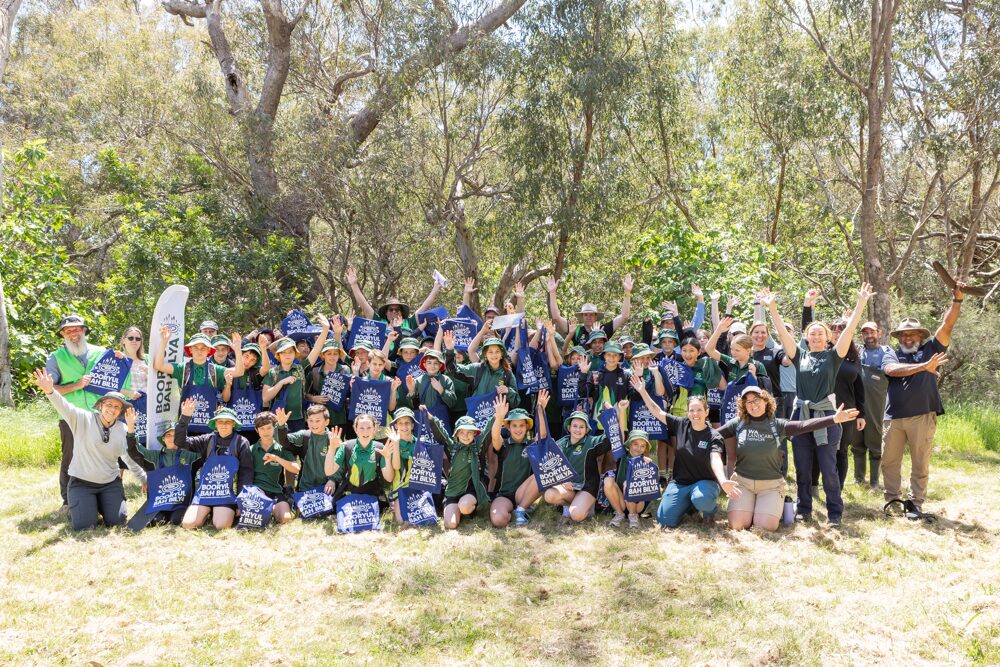
Its grassroots approach ensures local knowledge is embedded throughout and enables community, residents, businesses, schools and government to contribute to the future vision.

The launch of the BBB model is timed to coincide with the 2029 Perth Bicentenary. This is an important opportunity to consider the devastating impact of colonisation on our rivers and address the future challenges of a drying climate and growing population.
BNAA are busy developing their first BBB community catchment plan, based on the Mandoon Bilya (Helena River), which aims to restore the river’s ecosystems, reinvigorate its cultural values and reconnect it with local communities.
The BBB Rangers team works alongside local communities throughout Mundaring, Kalamunda, Gooseberry Hill, Pickering Brook, Glen Forrest, Darlington, Boya, Koongamia, Helena Valley, Bushmead, Bellevue, Midland, Hazelmere, Woodbridge and Guildford.
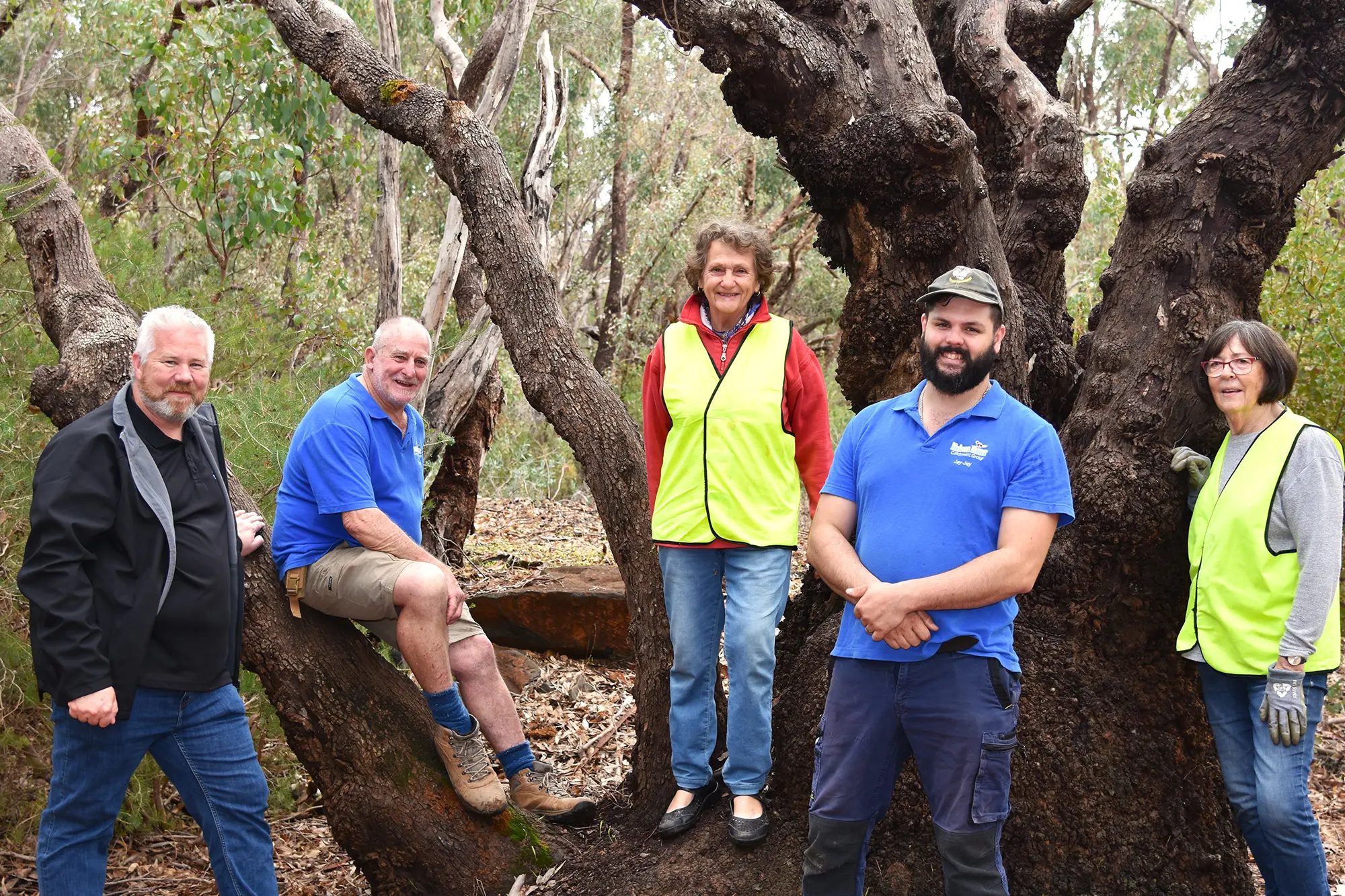
Current activities include river sampling, cultural mapping, trails audits, flora surveys, weed control, creating community spaces, community education, and fauna monitoring, including a recently discovered population of mainland quokkas.
Location
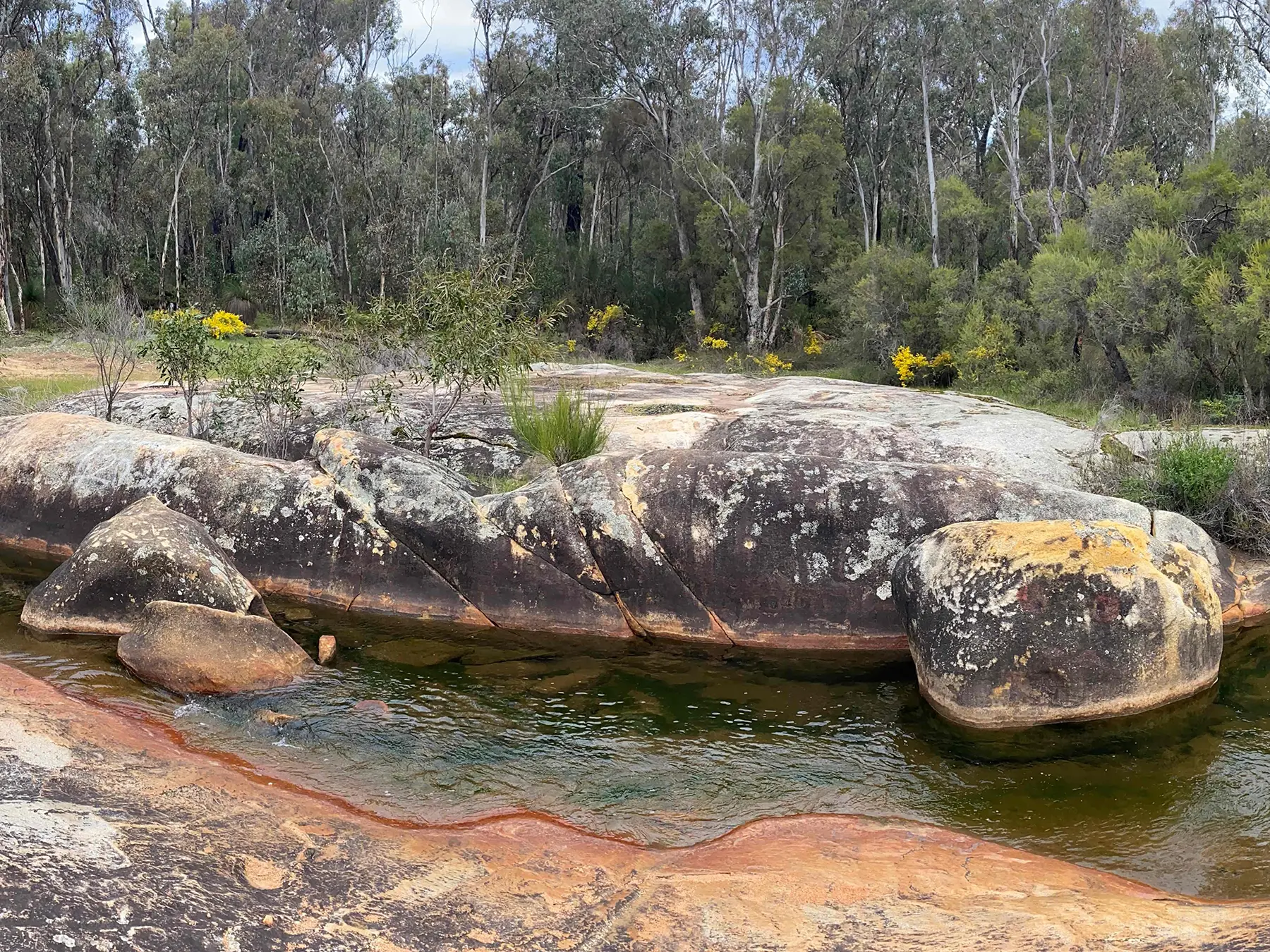
The BoorYul-Bah-Bilya program covers the entirety of the Mandoon Bilya (Helena River) catchment. The Mandoon Bilya flows from Ballardong and Gnaala Karla Booja near York and Beverley, through Mundaring and Kalamunda in the Perth Hills, down into Whadjuk Country through Midland, before joining the Derbarl Yerrigan (Swan River) in Guildford. The catchment includes 900+ seasonal waterways that flow into the Derbarl Yerrigan (Swan River) as part of Mandoon Bilya including Darkin River, Beraking Brook, Pickering Brook, Piesse Brook, Nyaania Creek, Quenda Creek, Elder Creek, Bourkes Gully, Helena Brook, Wariin Brook and Kadina Brook. Mandoon Bilya catchment includes six local government areas: Swan, Mundaring, Kalamunda, York, Beverley and Northam, with small areas also located in Armadale and Wandering.
Contact
BNAA is seeking volunteers to support various projects including weeding and site clean ups, vegetation and fauna surveys, fauna camera monitoring, cultural mapping, data collation, record keeping, scanning of historical documents and much more. To get involved, contact admin@bibbul.org or visit www.bibbul.org.